CFTC Chair Selig Defends U.S. Approval of Crypto Perpetuals
CFTC Chair Michael Selig argues domestic development of perpetual crypto contracts is safer than ceding the market to offshore venues.
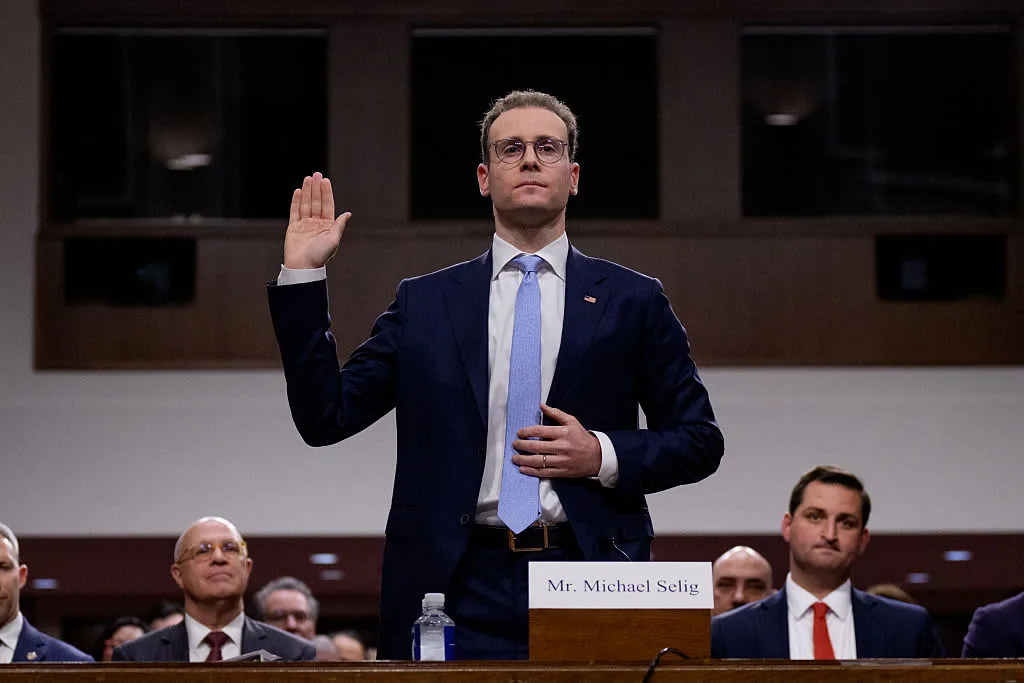
CFTC Chair Michael Selig publicly defended his agency's decision to greenlight so-called "perps" — perpetual futures contracts tied to cryptocurrencies — in the United States, pushing back against critics who questioned the move. Selig framed the approval as a matter of national financial interest, arguing that allowing the instruments to flourish domestically is preferable to watching U.S. traders migrate to unregulated offshore platforms beyond the reach of American regulators.
Selig acknowledged the controversy head-on, stating that incumbents will always fear the future — a pointed remark directed at established market participants who have lobbied against expanding access to novel derivative products. His comments signal a broader regulatory philosophy at the CFTC: that resisting innovation does not eliminate risk, it merely relocates it outside U.S. jurisdiction where consumer protections are far weaker.
Read more Prediction Markets Bet Anthropic Will Restore AI Access by July 1 →
Perpetual futures, sometimes called "perps," are derivative contracts with no expiration date, widely popular in offshore crypto markets. Their approval in the U.S. represents a significant shift for a regulator that has historically taken a cautious posture toward crypto derivatives. The decision opens the door for American exchanges to compete directly with offshore venues that have dominated perpetual contract volume for years.
The move is likely to intensify debate between financial innovation advocates and traditional market watchdogs who worry that highly leveraged crypto derivatives could expose retail investors to outsized losses. Selig's defense suggests the CFTC under his leadership is willing to absorb that political pressure in favor of bringing a fast-growing asset class under domestic oversight rather than leaving it ungoverned.
Continue reading at US Top News and Analysis.